Vessel & Rig Management
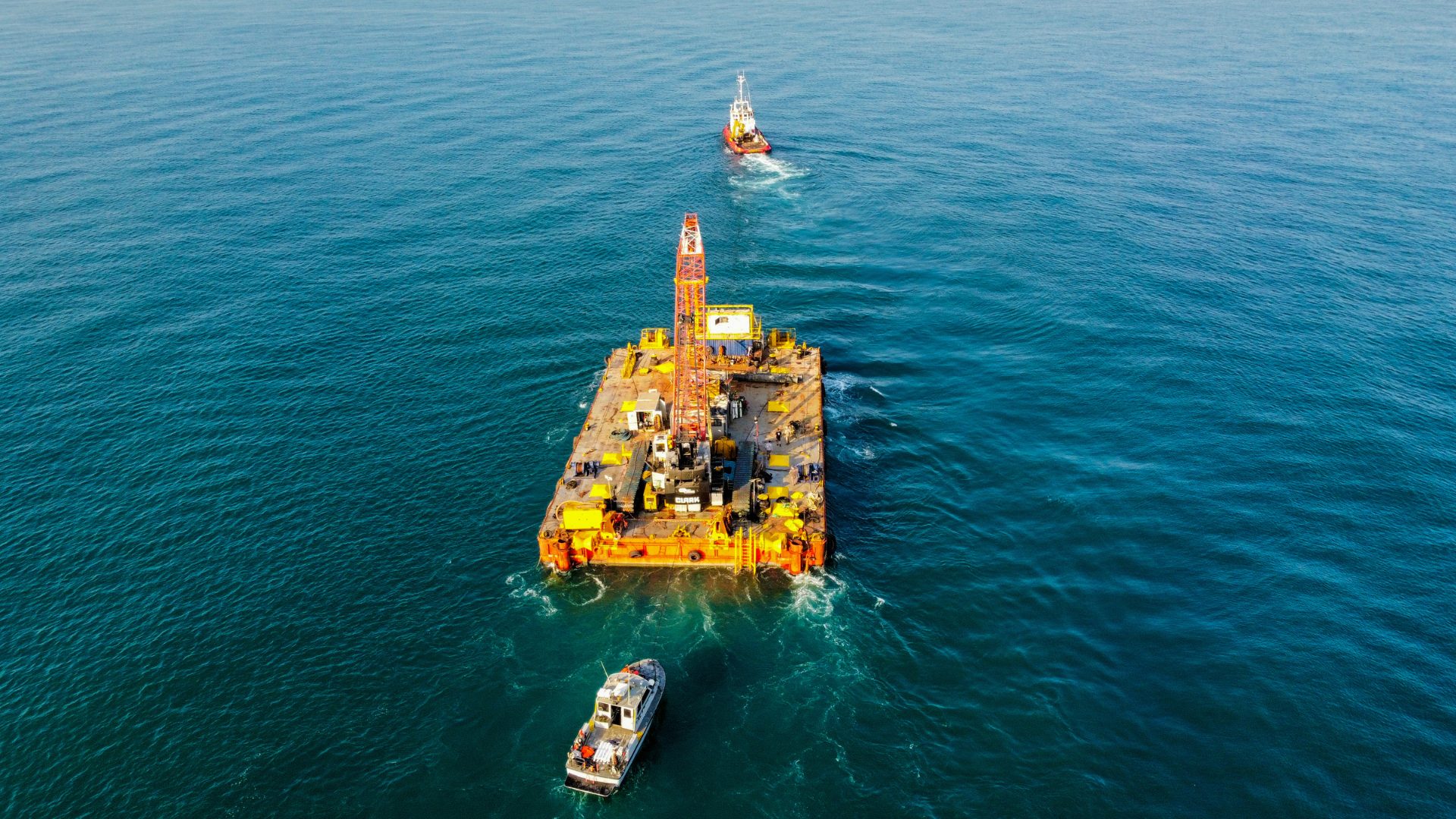
Rig move is one of the most important aspects of getting oil extraction underway from the available, intended wells. Good knowledge of the planned rig approach, assisted by approved marine spread along with geotechnical data of the subsea area while preparing for preloading, is essential. We offer a complete package of supervision and execution of the rig move from the harbour to the preload and jacking down at the work site.
Every field owner requires the jack-up barges to maintain minimum integrity standards to ensure that the jack-ups can sustain the operational and environmental conditions of the field. We offer comprehensive plan, inspections and recommendations to ensure integrity management is held within the acceptance standards laid down by the field.
Dynamic position management at the stages of new build, crossing over from FMEA to annual trials, is offered to clients. An optimum coordination between the vessel and the crew assigned for DP operations is the key to safe DP operations, and assessment of DP protocol can offer long-term solutions that avoid DP incidents adversely affecting the project.
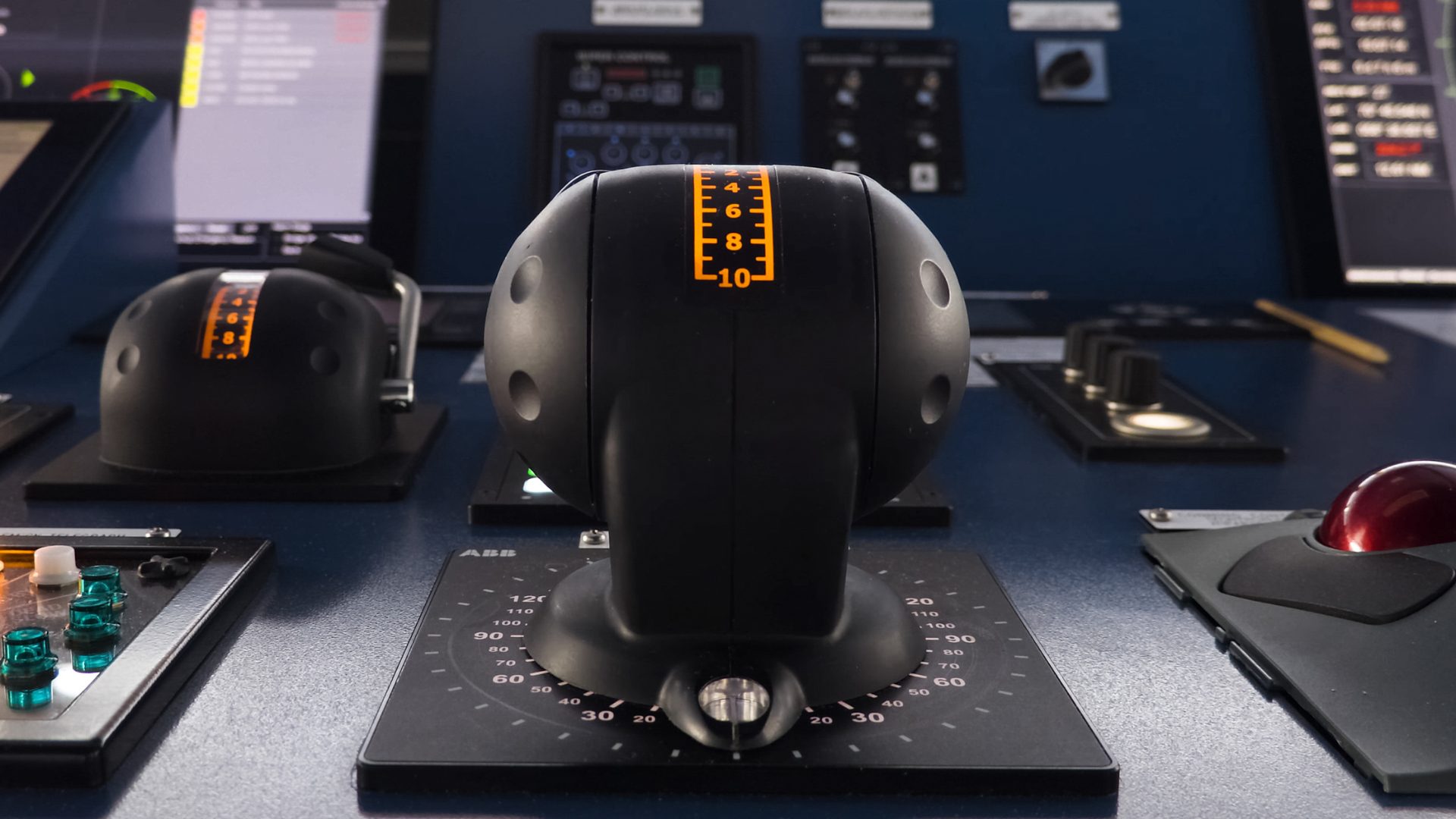
AZIMUTH THRUSTER CONTROL ON THE DP DESK
In detail
A rig move is the highest-consequence marine operation most fields will see. It runs from harbour departure through the approach to location, positioning over the intended well, preloading and jacking to air gap — and each stage depends on work done well beforehand: geotechnical data for the site, a site-specific assessment covering leg penetration and punch-through risk, an approved tow plan, and marine spread with the bollard pull and handling capability the move actually requires. Supervision on the day is the visible part of a much longer process.
Dynamic positioning is governed by IMO MSC.1/Circ.1580, which applies to vessels and units built on or after 9 June 2017, with MSC/Circ.645 continuing to apply to older tonnage; IMCA guidance sits alongside it for design, operation and annual trials. A DP vessel earns its equipment class through documented redundancy, and that class is only meaningful if it is proved — through FMEA and FMEA proving trials at newbuild, then annual trials and capability plot verification through the vessel's life. Most loss-of-position incidents trace back to the gap between what the FMEA assumed and how the vessel is actually operated, which is why we assess DP protocol and crew coordination alongside the hardware.
Jack-up integrity runs on the same logic. Field owners require jack-ups to hold minimum integrity standards so the unit can sustain the operational and environmental conditions of the field, and we provide the inspection plans, leg, spudcan and hull surveys, and recommendations needed to keep a unit inside those standards.
Services in this group
- Rig move planning, approval and execution
- Preload, jacking and site-specific assessment supervision
- Jack-up leg, spudcan and hull integrity inspection
- DP FMEA and FMEA proving trials
- DP annual trials and capability plot verification
- Towmaster attendance and tow approval
- Anchor handling, mooring analysis and rig positioning